
$46.74
$93.48
50% OFF! Hot items selling fast—Grab them before they're gone!

 Unconditional Satisfaction GuaranteeNo Shipping Fees Above 302 Months to Decide. Returns Simplified.
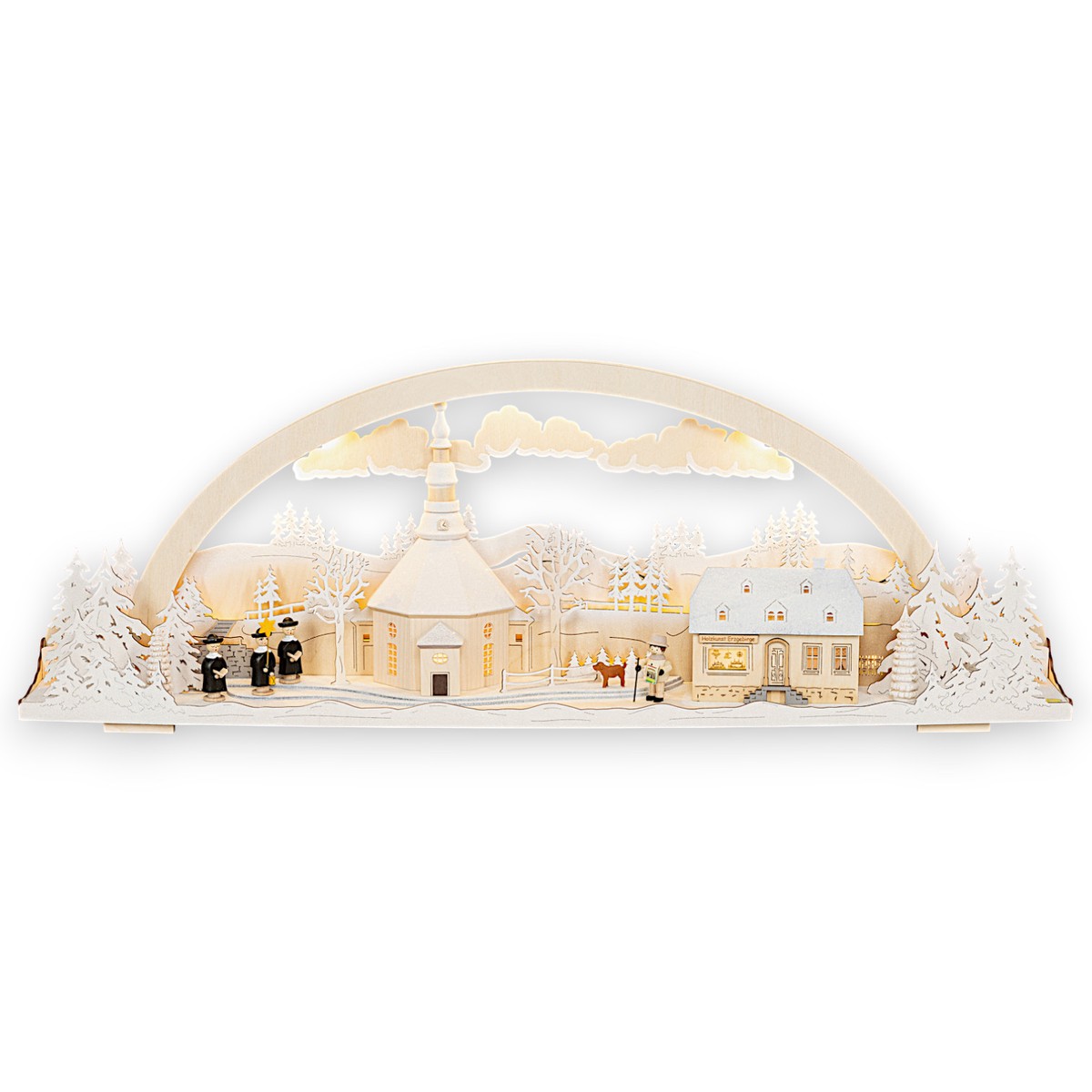
This decorative LED ash base is a high-quality and versatile decorative element from Weigla. It is made of light, natural ash wood, whose fine grain lends an elegant and timeless look. Its simple, rectangular shape with small feet creates a stable yet floating appearance.The true strength of the base lies in its versatility. It is equipped with integrated LED lighting, providing a warm and atmospheric light source. This row of lights is positioned to illuminate the figures placed on it from below, giving them a special radiance.The decorative base can be redesigned for many occasions and seasons. It can be equipped with Weiglas specially designed sets, such as a maritime or winter motif. It also invites you to create your own unique scene using your own creative ideas.Thanks to its flexibility, the base is a beautiful addition to any decoration, not only during the Christmas season but also for other festive occasions. It creates inviting accents on the mantelpiece, windowsill or sideboard and puts every figure in the right light.In the product gallery you will find some decoration examplesWidth approx. 60cmHeight approx. 34cmDepth approx. 6cmLED lightingYou can find more beautiful candle arches and their accessorieshere.Tradition of the Ore Mountains SchwibbogenThe history of the Ore Mountains Schwibbogen goes back to the 18th century and is closely linked to the mining culture of the Ore Mountains. Originally, the Schwibbogen had no direct connection to the Christmas season, but symbolized light and hope in the dark winter time. The first Schwibbogen was probably built around 1740 in Johanngeorgenstadt, a city that was dominated by mining at the time.The term Schwibbogen comes from architecture. It refers to an arch that is placed between two walls to support them. The Schwibbogen in the form of a wooden candlestick soon became a symbol of the region, where the long winters and hard work underground created a special need for light and community. The first Schwibbogen were made of metal and were often made by the miners themselves. At first they showed motifs from the mining world, such as miners, miners lamps and tools that reflected peoples daily lives.It was not until the 20th century that Schwibbogen began to be used as Christmas decorations. Over time, the motifs changed and Christian symbols such as angels, Mary and Joseph were added. Landscapes and typical scenes from life in the Ore Mountains also found their way into the design.Today, candle arches are an integral part of the Ore Mountains Christmas tradition. Modern candle arches are often illuminated with LED lights and show detailed carvings of villages, churches and traditional figures such as nutcrackers and smokers. They are popular worldwide and for many people are the epitome of Christmas coziness and traditional craftsmanship from the Ore Mountains.